A commercial tire decision affects more than the purchase price. Fleet buyers need a product that matches the approved vehicle specification, operating load and route. A structured enquiry helps a supplier respond accurately and reduces the risk of ordering a tire that looks suitable in a catalog but does not meet the application.
Define the commercial application first
Identify the vehicle type, axle application, typical route and expected load. Urban delivery, longer highway runs and mixed road surfaces are not identical duty cycles. Record the approved size, rim requirements and complete service description from the vehicle documentation or a professionally verified fitment record.
Where both single and dual load values appear in product information, they refer to different installation conditions. Do not choose a figure without confirming the actual application. Ask a qualified tire professional to resolve any uncertainty about load capacity or wheel compatibility before ordering.
Use catalog patterns to organize the enquiry
The supplied VEVR range includes ZT701 with several C and LT reference sizes, ZT201 with sizes including 6.50R16LT and 7.00R16LT, and ZT901 with smaller commercial examples. Other patterns serve different operating descriptions in the catalog.
A pattern name is a useful identifier, not a complete specification. Send both the pattern and full required size when requesting details. Commercial designations and ply-rating options need confirmation for the exact product; a higher-looking number should not be assumed to authorize a different load or inflation setting.
Request documents that match the product
- A current technical sheet identifying the brand, pattern and complete size.
- Confirmed load and speed information for the specified installation.
- Applicable destination-market compliance documents and product markings.
- Agreed labeling, packaging and shipment identification.
- Clear commercial terms, lead-time confirmation and a contact for specification discrepancies.
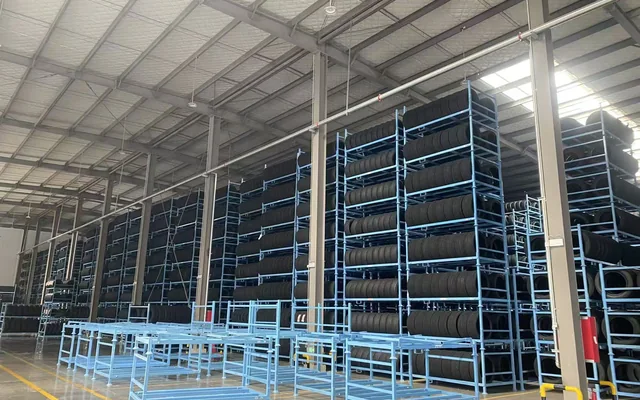
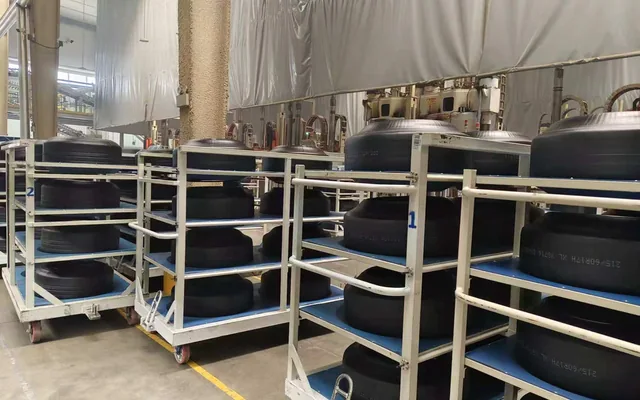
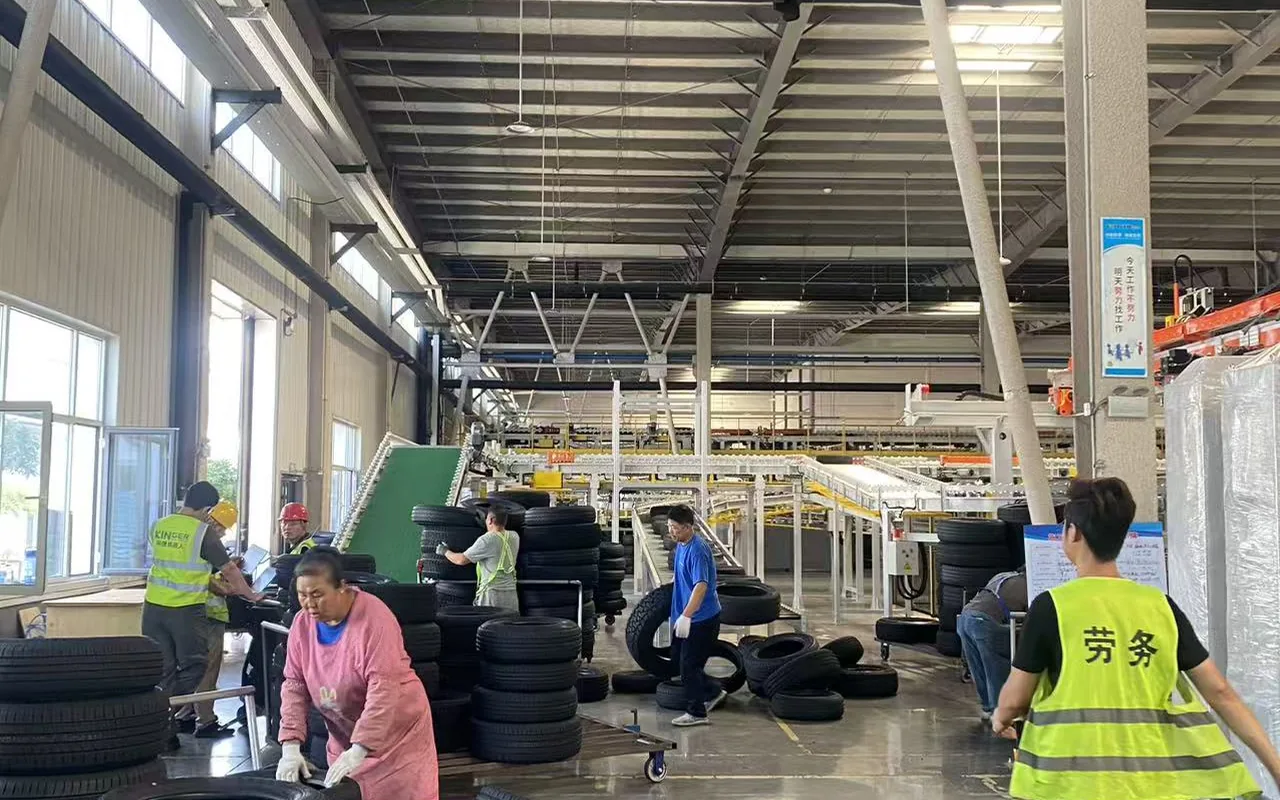
The workshop images on our Process page add visual context, but photographs do not independently establish certification, test capability or production capacity. Documentary evidence should be evaluated separately.
Keep purchasing and operating checks connected
After fitment, use the vehicle manufacturer’s inflation guidance and a suitable inspection routine. Check cold tire pressures, tread condition and visible damage in accordance with the vehicle and tire guidance. Overloading cannot be solved simply by selecting a visually larger tire, and sidewall maximum pressure is not automatically the vehicle’s recommended setting.
Some values in the source catalog require clarification, so the website does not present disputed load or pressure entries as confirmed data. Review the tire-size guide, browse the commercial tire catalog and send CAMPINTAL your fleet requirement. Confirm the final specification in writing before purchase.
Sources & editorial note
Product examples are drawn from the supplied CAMPINTAL tire catalog (PDF) and the VEVR pattern pages. Factory descriptions refer only to the visible supplied imagery. General tire guidance is educational and does not replace the vehicle or trailer manufacturer’s instructions or professional fitment advice.
No independent product testing, certification or inventory verification is claimed. Request a confirmed specification for the exact tire before purchase. Contact the team about product details or corrections.
Have a specific tire requirement?
Send the full size, application, quantity and destination market. We will help you identify the product details to confirm.
Contact CAMPINTAL